Mark Boyer
Shift Right · the manifesto, made operational

Design the operating model that shifts right.

The manifesto makes the argument. Shift Right is how you apply it. Six modules, each worth an hour on its own, that build one thing: an operating model written from your own numbers, with the diagnosis, the first ninety days and a board paragraph you could read aloud without apologising for it. One licence, £295, paid once, and everything is in it.

£295 · one payment · no renewal All six modules and the Operating Model
01 · What it is

Six modules. One argument.

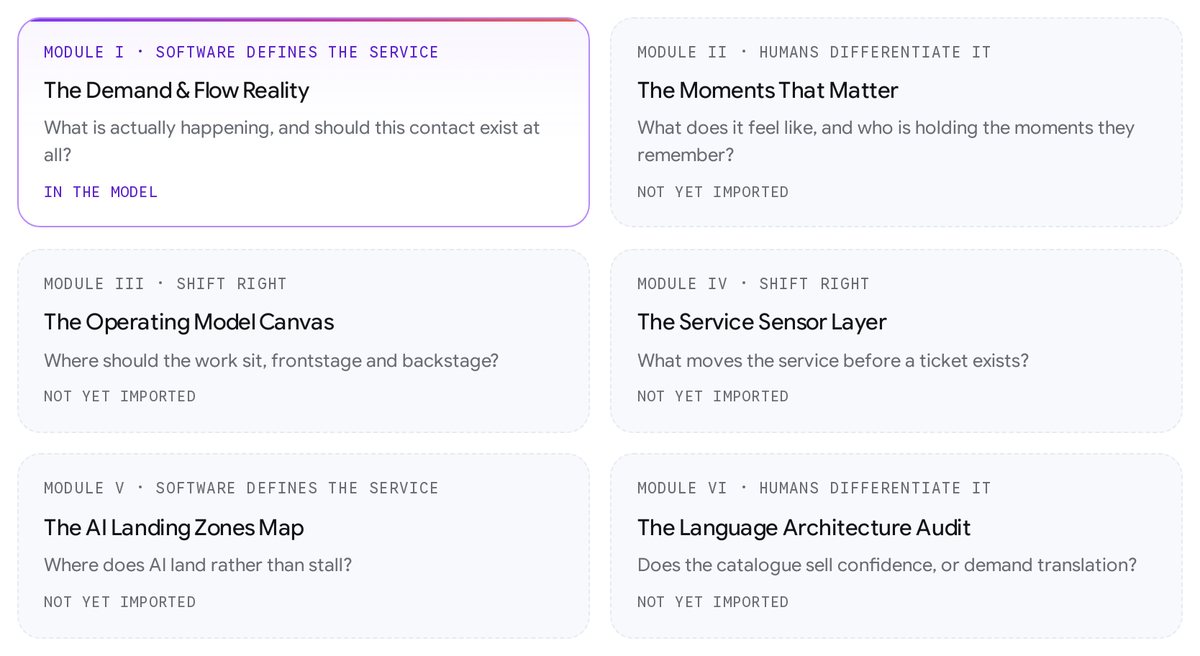
Not six assessments in a bundle. Each module answers a question the one before it raised, and each writes part of the same document. They are grouped by the three movements of the argument, and you can run them in any order.

i

The Demand & Flow Reality

What is actually happening, and should this contact exist at all?

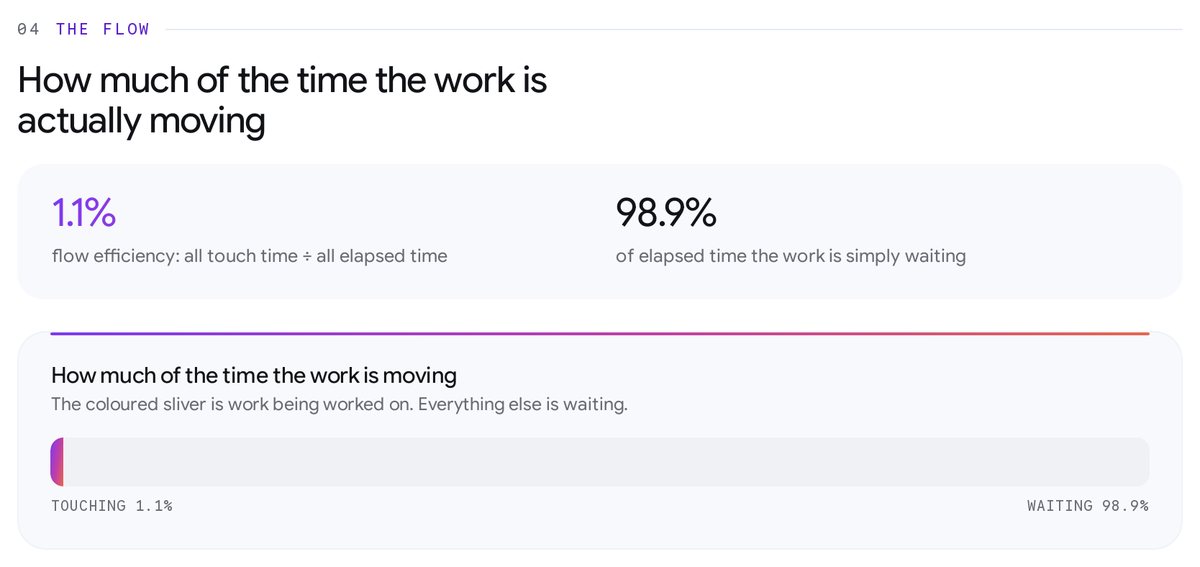
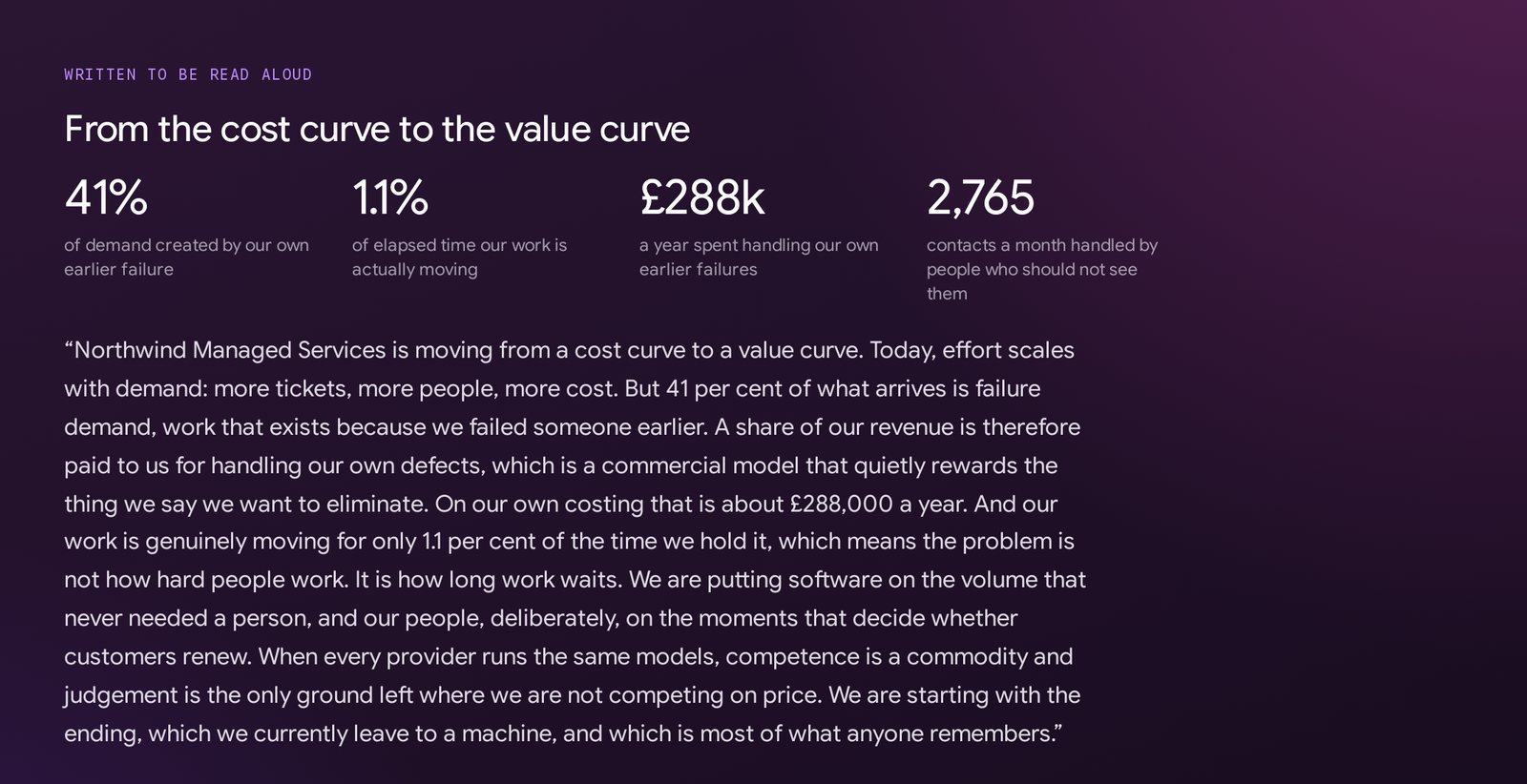
Separates the demand you exist to handle from the demand you created earlier. Then the three numbers no service report contains: failure demand, flow efficiency, and the lead time your work in progress makes arithmetically inevitable.

Movement I · Software defines the service
ii

The Moments That Matter

What does it feel like, and who is holding the moments they remember?

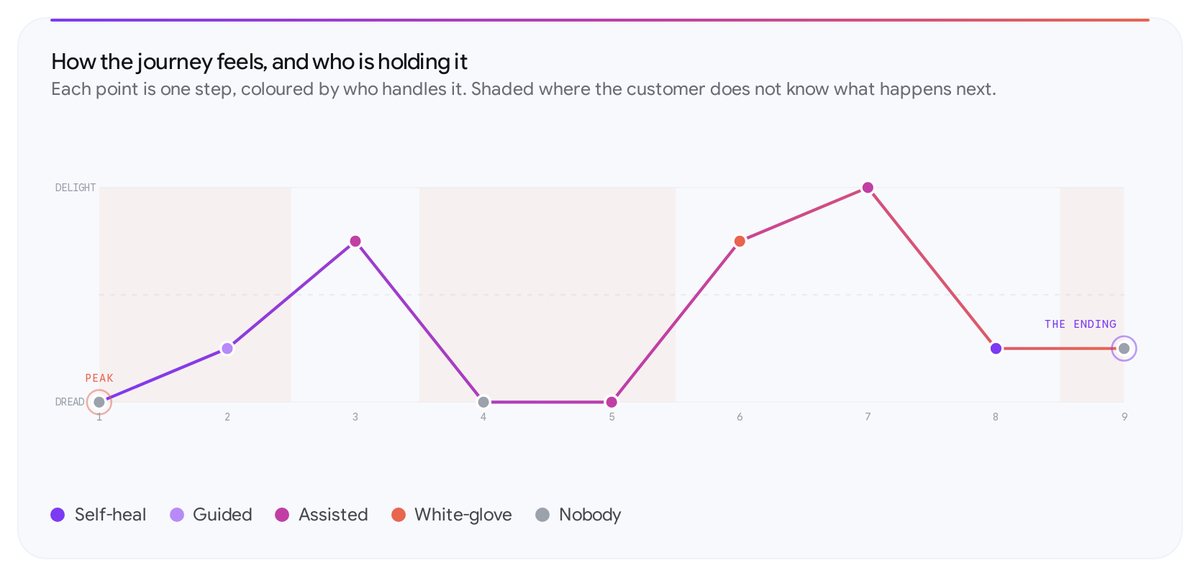
Maps the emotional shape of a journey and finds the two moments that decide what anyone remembers: the peak and the ending. Then shows you who is holding them. Usually nobody.

Movement II · Humans differentiate it
iii

The Operating Model Canvas

Where should the work sit, frontstage and backstage?

The workshop tool. Map the current state honestly, including what the ticket hides, then design the target across the four modes with the policy bounds and rollback rights that make autonomy safe.

Movement III · Shift right
iv

The Service Sensor Layer

What moves the service before a ticket exists?

Every sensor completes one sentence: when a signal moves, we act, decided by an authority, within a time. Leave any part blank and it is not a sensor, it is a dashboard.

Movement III · Shift right
v

The AI Landing Zones Map

Where does AI land rather than stall?

Scores each function on readiness and value, names the binding constraint holding back the ones that are not ready, and gives you a defensible sequence. Answers the question every board is asking.

Movement I · Software defines the service
vi

The Language Architecture Audit

Does the catalogue sell confidence, or demand translation?

Strips the insider terms out of what customers actually read, scores the density, and rebuilds each line around the thing people are really buying. Plus the governance that stops it drifting back.

Movement II · Humans differentiate it
The end game

They all write the same document.

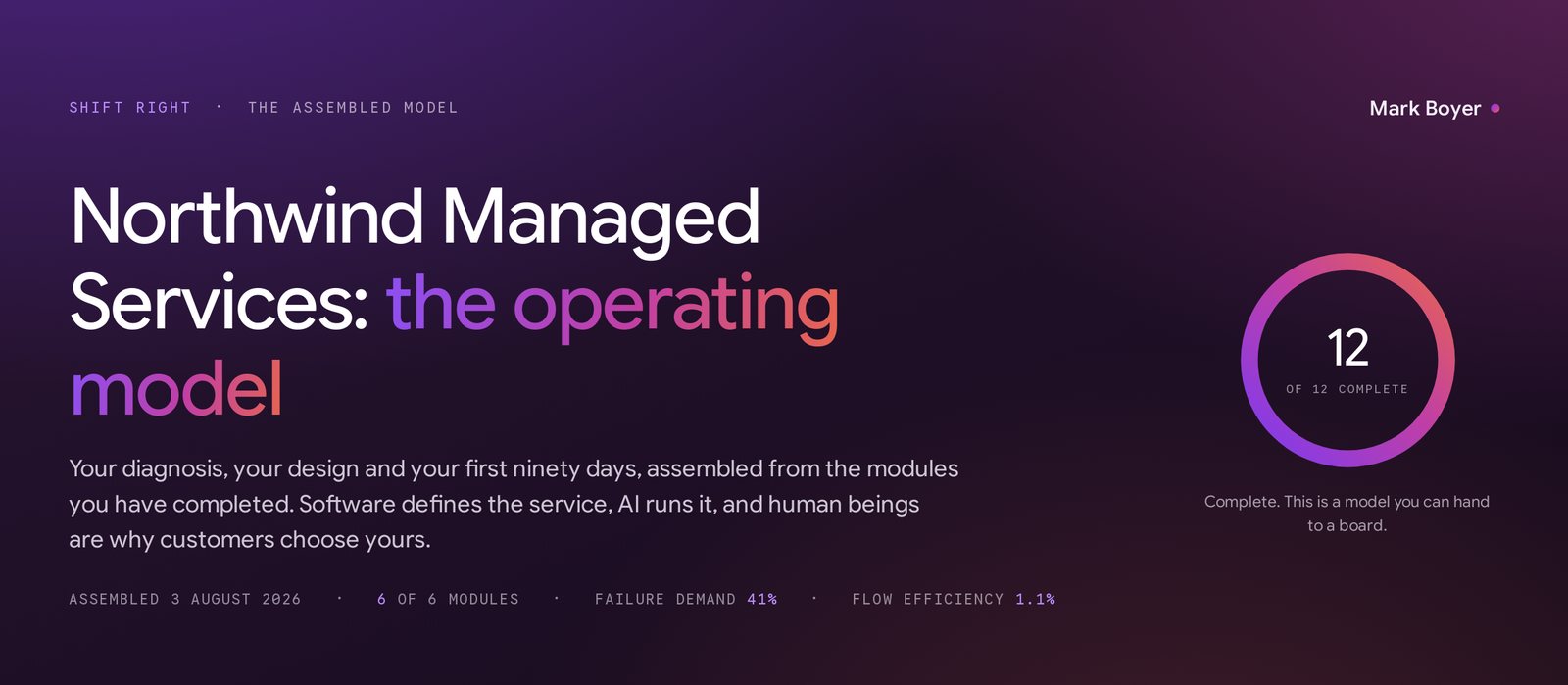
Every module exports into The Operating Model: one file you own, that assembles as you go. Your diagnosis in prose rather than dashboards, the sequencing rules applied to your situation, the metrics that replace SLA-thinking, the first ninety days, and a board case built from your own figures.

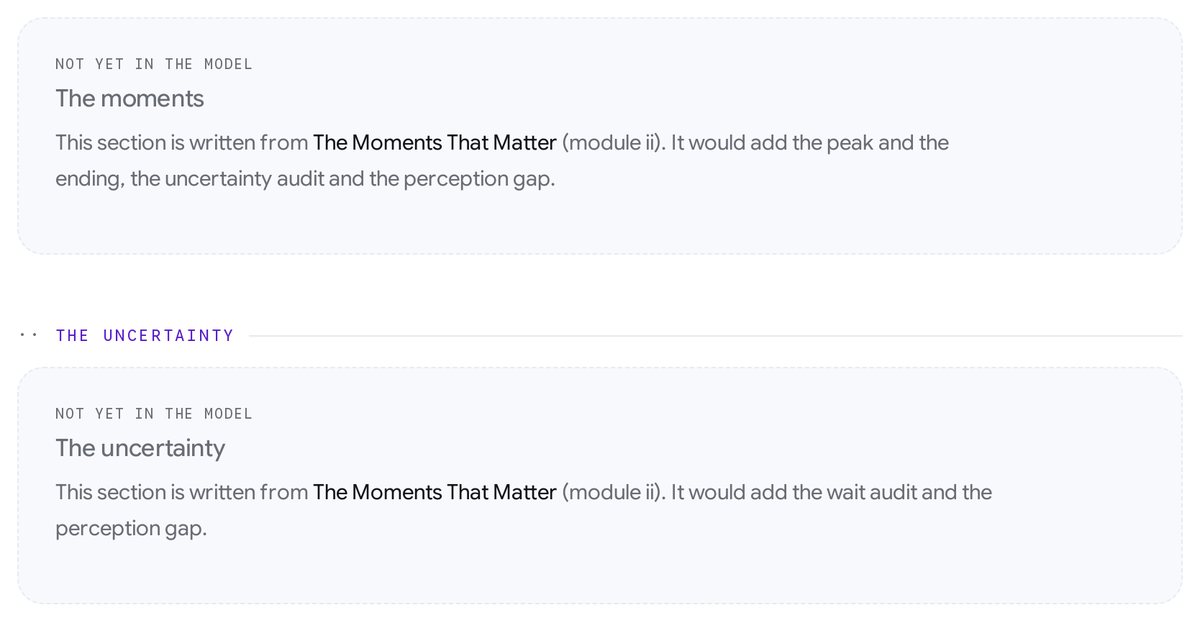
It starts partly written, because the thesis and the principles are yours from the first open. The sections you have not earned yet are shown in outline, so you can see exactly what each remaining module would add. Nothing is a mystery purchase.

Save it as a PDF for the board, or send the file itself. It is self-contained and works offline.

02 · Who you serve

The same numbers mean different things.

The kit asks once whether you serve customers under contract or colleagues inside one organisation, and then changes the analysis rather than the vocabulary. Two examples of the same finding, read two ways.

If you are a provider

Are you paid for your own failures?

If your model bills per ticket, failure demand is revenue. Your commercial model quietly rewards the thing you say you want to eliminate, and every efficiency programme makes it more affordable to keep. The kit tells you to read the contract before you improve anything.

If you are internal

There is no invoice to soften it.

Failure demand is pure cost with nothing on the other side, and it is spent on your own standing. Every chase-up is a colleague learning that IT has to be chased, and that reputation forms faster than any service improvement can correct it.

03 · What it costs

One licence. Nothing held back.

Almost everything in this category is priced per seat, per month, forever. This is not that. One licence, one payment, and it includes all six modules and the Operating Model. There is no cut-down edition, no better version one tier up, and no renewal date sitting in your calendar. What you buy today is the whole of it.

Practitioner

£295

One person, one paymentNo renewal, ever

All six modules and the Operating Model.

  • For one named person, inside the organisation you work for, and it moves with you if you change employer
  • Five devices, so your laptop, phone and iPad all count as you
  • Runs in the browser on all of them, with nothing to install
  • Small enough to put on your own card and argue about later
  • Fourteen days to change your mind, whoever you are buying as
Join the waitlist
Organisation and Practice

Talk to me

Buying for a team, or using it with your own clientsI answer these myself

The same six modules. Different permission.

An organisation licence and a practice licence both exist, and their terms are written down. What is not built yet is anything an organisation gets that a person does not: a shared view, figures that add up across services, one team read against another. Until that exists I am not going to charge you more for the same tool.

So tell me the shape of it. How many people, how many services, whether the work is for your own clients. A purchase order, an invoice, a group arrangement or a deployment on your own infrastructure are all workable, and none of it needs a form.

Email me directly

Opening when the app is ready, and the waitlist goes first at founding pricing. Everything you type stays on your own device: none of your demand data, your journey maps or your figures ever reaches a server of mine, on any licence. Nothing may be resold or repackaged under any of them. The Service Flow Benchmark is not part of any licence yet. It has no data in it, so there is nothing to compare you against; when it opens, every licence gets it at no extra cost and none of them paid for it in advance. There is a fourteen day refund, no questions asked, whoever you are buying as, and the full terms are here rather than buried in a checkout.
04 · What stays free

The argument costs nothing.

The manifesto, the essays, the radar and the podcast are free and will stay free. So will the Shift Right Primer: the four modes on a single page, and the Operating Model Builder, a self-assessment that scores your current model and shows you which direction shift right points from where you stand.

So is the Service Flow Benchmark. There is no published figure for how much of IT service demand is failure demand, or how little of the time our work is actually moving. Six questions, ninety seconds, and the findings will be published free with the methodology and its weaknesses stated plainly.

Shift Right is for the next step: when you have read the argument, agree with enough of it, and want the tools to do something about it on Monday.

First access

Join the waitlist.

Founding pricing, first access when it opens, and the occasional working note on how it is being built. No spam, unsubscribe any time.

Read the manifesto first · Get the Dispatch